Last-Mile Delivery Fleet Management: How to Reduce Costs and Improve Service
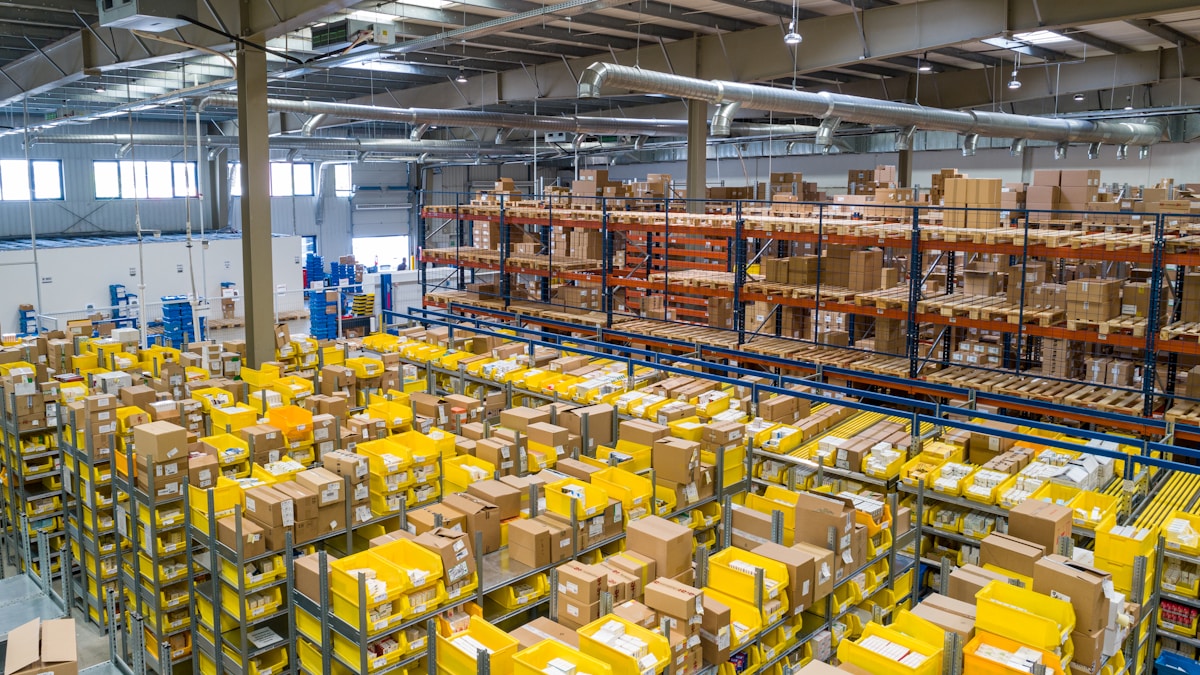
Last-mile delivery is the most expensive and complex segment of the logistics chain, accounting for up to 53% of total shipping costs. With e-commerce...
Why last-mile delivery is so expensive
The fundamental challenge of last-mile delivery is density — or rather, the lack of it. A single truck can carry hundreds of packages from a warehouse to a distribution hub in one trip. But delivering those same packages individually to homes and businesses scattered across a city requires dozens of stops, constant acceleration and braking, idle time at each delivery point, and navigation through traffic and parking constraints.
Route optimization and dynamic planning
Static routes planned the night before are no longer sufficient. Modern last-mile operations require dynamic route optimization that adjusts in real time based on traffic conditions, new orders, cancellations, and driver progress. GPS tracking provides the real-time vehicle positions that feed these optimization algorithms, and the difference between optimized and unoptimized routes can be 20-35% in total distance driven per day.
Driver performance and behavior monitoring
Drivers are your largest variable cost and your primary customer touchpoint. Monitoring driver performance is not about surveillance — it is about identifying coaching opportunities that improve safety, reduce fuel consumption, and increase deliveries per hour. Key metrics include deliveries per hour, average time per stop, fuel efficiency, harsh braking events, and idle time between deliveries.
Proof of delivery and customer communication
Modern customers expect delivery tracking as standard. They want to know where their package is, when it will arrive, and confirmation that it was delivered. Providing real-time ETAs based on actual vehicle positions (not estimated schedules) dramatically reduces customer service calls and increases satisfaction scores. GPS-based ETAs are accurate to within 5-15 minutes for most urban deliveries.
Scaling operations without scaling costs proportionally
The goal of last-mile fleet management is to grow delivery volume faster than costs. This means increasing deliveries per vehicle per day, reducing cost per delivery, and maintaining service quality as you scale. Technology is the lever that makes this possible. Real-time tracking, automated dispatching, and performance analytics allow a single fleet manager to oversee 50-100 vehicles effectively, compared to 10-15 with manual processes.
Related articles
Fletaro — Software de gestión de flotas con GPS y acceso remoto