Vehicle Telematics for Fleets: How Data Transforms Fleet Management
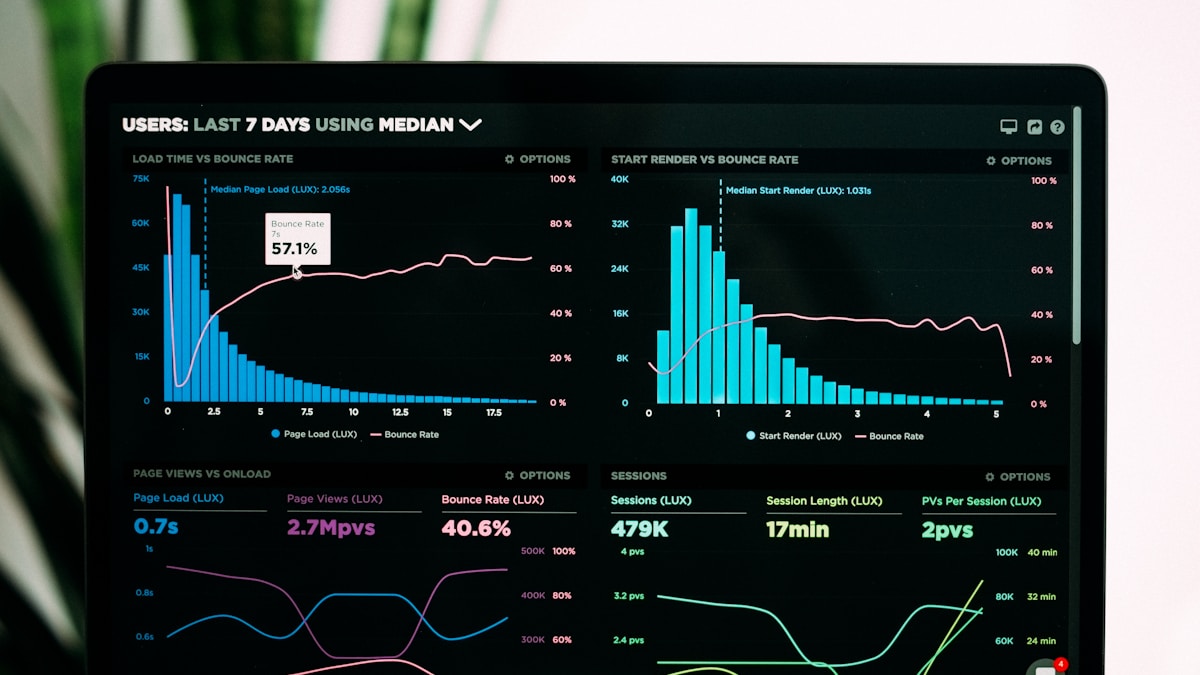
Learn how vehicle telematics uses OBD-II and CAN bus data to cut fleet costs. Fuel, driver behavior, and maintenance insights. Request a demo.
Vehicle telematics is the technology that combines telecommunications and informatics to transmit real-time vehicle data to fleet managers. It has evolved from a simple GPS dot on a map to a comprehensive data platform that captures everything from engine health to driver behavior. For fleet managers, this data is the foundation of informed decision-making — it reveals which vehicles are underutilized, which drivers need coaching, when maintenance should be scheduled, and where operational costs can be cut. Understanding what telematics can measure, how the data flows, and how to act on it is essential for any modern fleet operation.
What vehicle telematics actually measures
At its core, vehicle telematics combines GPS positioning with on-board vehicle diagnostics to create a real-time picture of each vehicle's location, status, and performance. A telematics device installed in the vehicle collects data from multiple sources: GPS satellites for position and speed, the vehicle's OBD-II port for engine parameters, accelerometers for driving behavior, and voltage sensors for battery and electrical system health. This data is transmitted over the 4G mobile network to a cloud server where it is processed, stored, and presented through a fleet management dashboard.
The specific data points available depend on the vehicle and the telematics hardware. Basic GPS trackers provide position, speed, heading, and movement history. More advanced devices that connect to the OBD-II port or CAN bus can read fuel level, engine RPM, coolant temperature, odometer, diagnostic trouble codes (DTCs), and dozens of other parameters. Devices with CAN-bus adapters, like the Fletaro Box Total, go further — they can read door status, seatbelt state, and even send commands back to the vehicle such as locking doors or engaging the engine immobilizer.
OBD-II vs CAN bus: understanding the data sources
OBD-II (On-Board Diagnostics) is a standardized diagnostic port present in every car sold in Europe since 2001 for petrol and 2004 for diesel. It was originally designed for emissions testing, but telematics devices use it to read engine data in real time. The advantage of OBD-II is universality — the port is in a standard location (under the dashboard) and the basic protocol is the same across manufacturers. The limitation is that OBD-II provides a relatively narrow set of data focused on emissions-related parameters.
The CAN bus (Controller Area Network) is the vehicle's internal communication backbone. Every electronic module in a modern car — engine, transmission, ABS, airbags, body control — communicates over the CAN bus. A CAN-bus adapter can read far more data than OBD-II alone, including vehicle-specific parameters that the manufacturer does not expose through the standard diagnostic port. For fleet management, CAN bus access unlocks capabilities like reading exact fuel consumption, tire pressure, door lock status, and sending actuator commands. The trade-off is that CAN bus data varies by manufacturer and model, requiring vehicle-specific configuration.
Driver behavior monitoring and scoring
Telematics devices with built-in accelerometers detect harsh braking, aggressive acceleration, sharp cornering, and excessive speeding in real time. These events are logged, scored, and aggregated into a driver behavior profile that fleet managers can review on a per-driver or fleet-wide basis. The business impact is significant: aggressive driving increases fuel consumption by 15-30%, accelerates brake and tire wear, and dramatically increases accident risk. A fleet that actively monitors and coaches driver behavior sees measurable reductions in all three areas within the first 90 days.
Effective driver scoring systems go beyond punishing bad behavior. They establish a baseline, set improvement targets, and provide positive reinforcement when scores improve. Some fleet managers share anonymized leaderboards to create healthy competition among drivers. Others tie fuel bonuses to driving scores. The key is using the data constructively — drivers who understand why they are being monitored and see the connection between their driving and their fuel costs are far more likely to change their habits than those who feel surveilled without context.
Predictive maintenance with telematics data
Preventive maintenance schedules are based on time or mileage intervals — change the oil every 10,000 km, replace the brake pads every 30,000 km. But these intervals are averages. A delivery van in stop-and-go urban traffic wears its brakes three times faster than a highway cruiser. Telematics data enables a shift from calendar-based maintenance to condition-based maintenance. By monitoring actual engine hours, coolant temperature trends, voltage patterns, and DTC alerts, fleet managers can service vehicles when they actually need it — not before (wasting money) and not after (risking breakdowns).
The financial impact of predictive maintenance is substantial. Unplanned breakdowns cost 3-5 times more than planned maintenance when you account for towing, emergency labor rates, rental replacements, and lost productivity. A telematics platform that flags a rising coolant temperature trend or a recurring DTC code gives the fleet manager days or weeks of warning to schedule a shop visit at their convenience. For fleets of 20+ vehicles, this capability alone can justify the cost of the telematics investment.
Turning telematics data into business decisions
Raw data without analysis is just noise. The value of telematics lies in transforming vehicle data into actionable business intelligence. Fleet utilization reports reveal which vehicles are generating revenue and which are sitting idle. Fuel consumption trends by vehicle and driver highlight where savings are possible. Route efficiency analysis shows whether drivers are taking optimal paths or adding unnecessary kilometers. Trip history and customer assignment data enable accurate cost allocation by department, project, or client.
The most sophisticated fleet operations integrate telematics data with their financial systems to calculate true cost-per-kilometer for each vehicle, including fuel, maintenance, insurance, depreciation, and financing. This granular cost visibility enables data-driven decisions about fleet composition — when to replace aging vehicles, whether to lease or buy, and which vehicle models deliver the best total cost of ownership for each use case. Telematics is not just an operational tool; it is a strategic asset that pays dividends across the entire business.
Frequently Asked Questions
What data can telematics read from my vehicles?
At minimum: GPS position, speed, and movement history. With OBD-II/CAN connection: fuel level, RPM, engine temperature, odometer, diagnostic codes, door status, and more. The exact parameters depend on the vehicle make, model, and year.
Does telematics work with electric vehicles?
Yes. GPS tracking and accelerometer-based driver scoring work identically on EVs. CAN bus data varies — instead of fuel level and RPM, you get battery state of charge, range estimation, and charging status. Fletaro supports both ICE and electric vehicles.
How much does vehicle telematics cost for fleet management?
With Fletaro, telematics costs start at €10 per vehicle per month, VAT included (€8.26 + VAT), for platform access, connectivity and support, plus a one-time setup & installation fee (€120/vehicle) covering hardware, professional installation and SIM; the device is yours. No hidden fees. Most fleets achieve positive ROI within 60 days through fuel savings and operational efficiency.
Can I access telematics data via API?
Yes. Fletaro's Fleet Total and Enterprise plans include REST API access, allowing you to integrate vehicle data with your own systems — ERP, accounting, booking platforms, or custom dashboards.
Related articles
Fletaro — Software de gestión de flotas con GPS y acceso remoto